Regional Land Use & Smart Growth: Adaptive Reuse vs. Greenfield Development
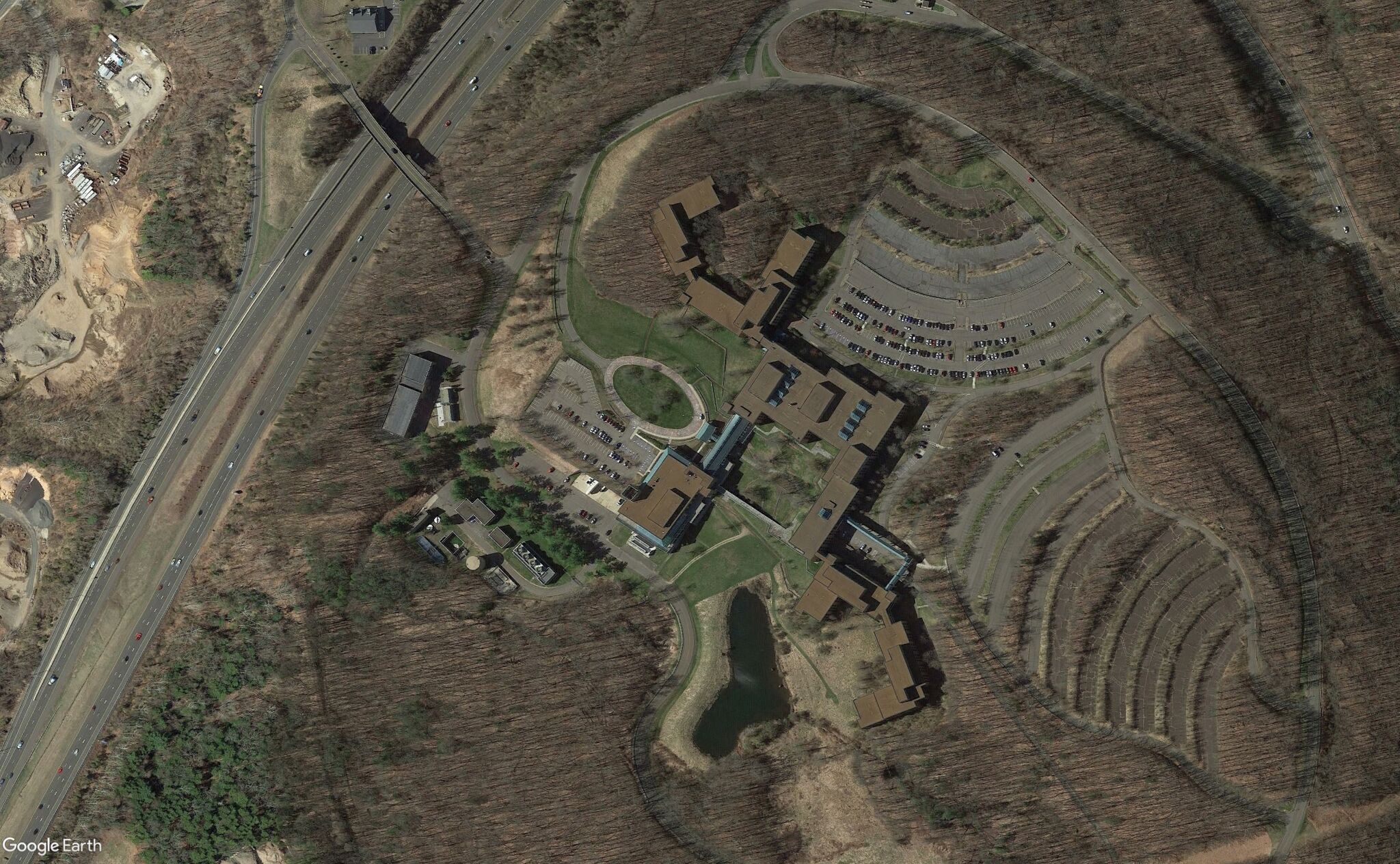
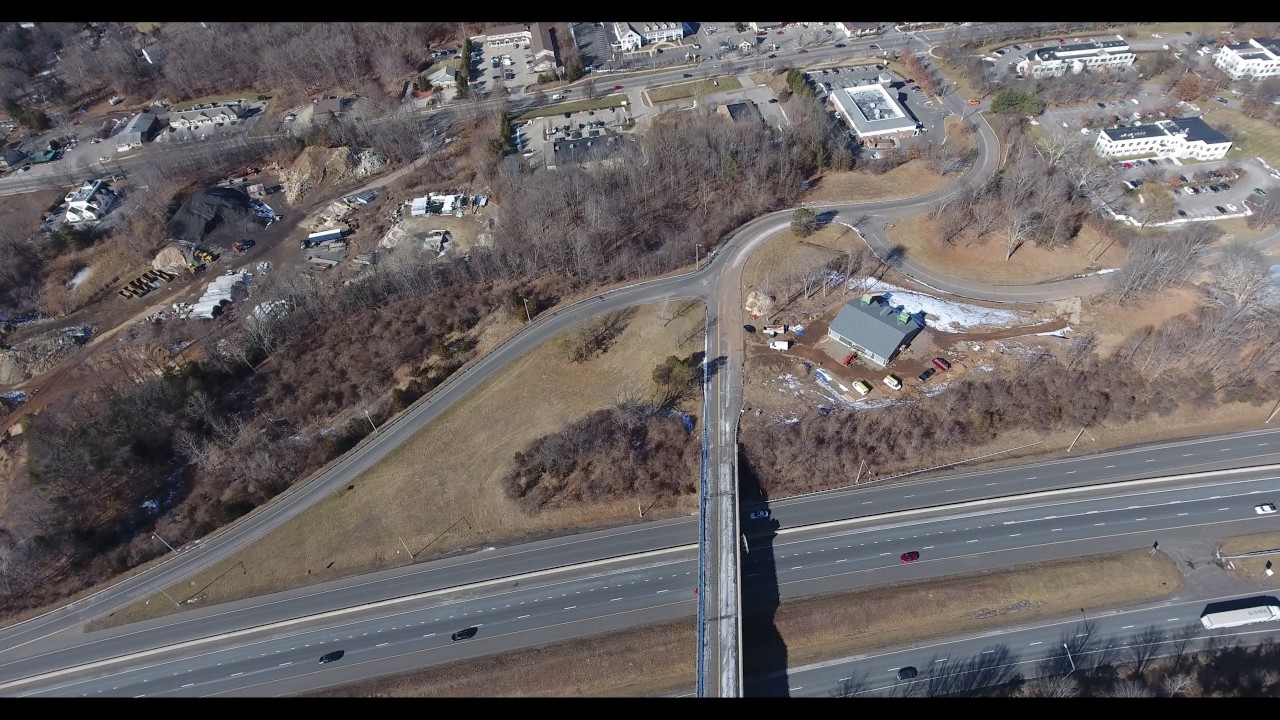
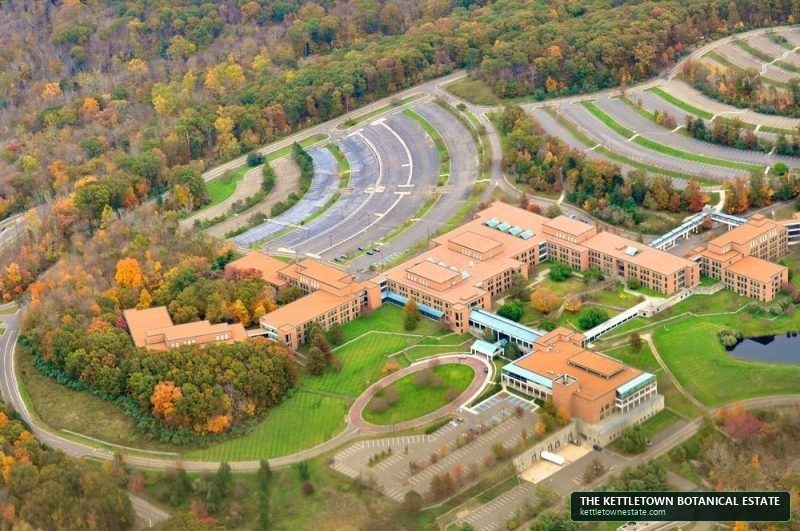
Regional land-use planning studies have long evaluated the town's economic growth opportunities, including the 204-acre parcel off Exits 13 and 14 (historically studied as the Volpe-Rosen parcel). In alignment with the Connecticut State Plan of Conservation & Development (C&D), modern planning principles prioritize adaptive reuse of existing built infrastructure—such as the 1,066,226 GSF campus at Exit 15—over clearing pristine greenfield woodlands.
Post-2020 Commercial Realities
Across the Northeast, modern workplace patterns have fundamentally decentralized commercial employment. Standalone greenfield commercial developments requiring entirely new single-tenant office parks face severe regional headwinds, whereas experiential, multi-anchor adaptive reuse revitalizes existing commercial hubs.
Preserving Public Capital
Greenfield site development typically demands substantial public bonding or infrastructure capital for access roads, ledge excavation, utility conduits, and municipal sewer expansions. In contrast, 150 Kettletown Road offers turnkey 15–30 MW dual power infrastructure (subject to utility verification), municipal sewer connections, and engineered parking capacity already operational.
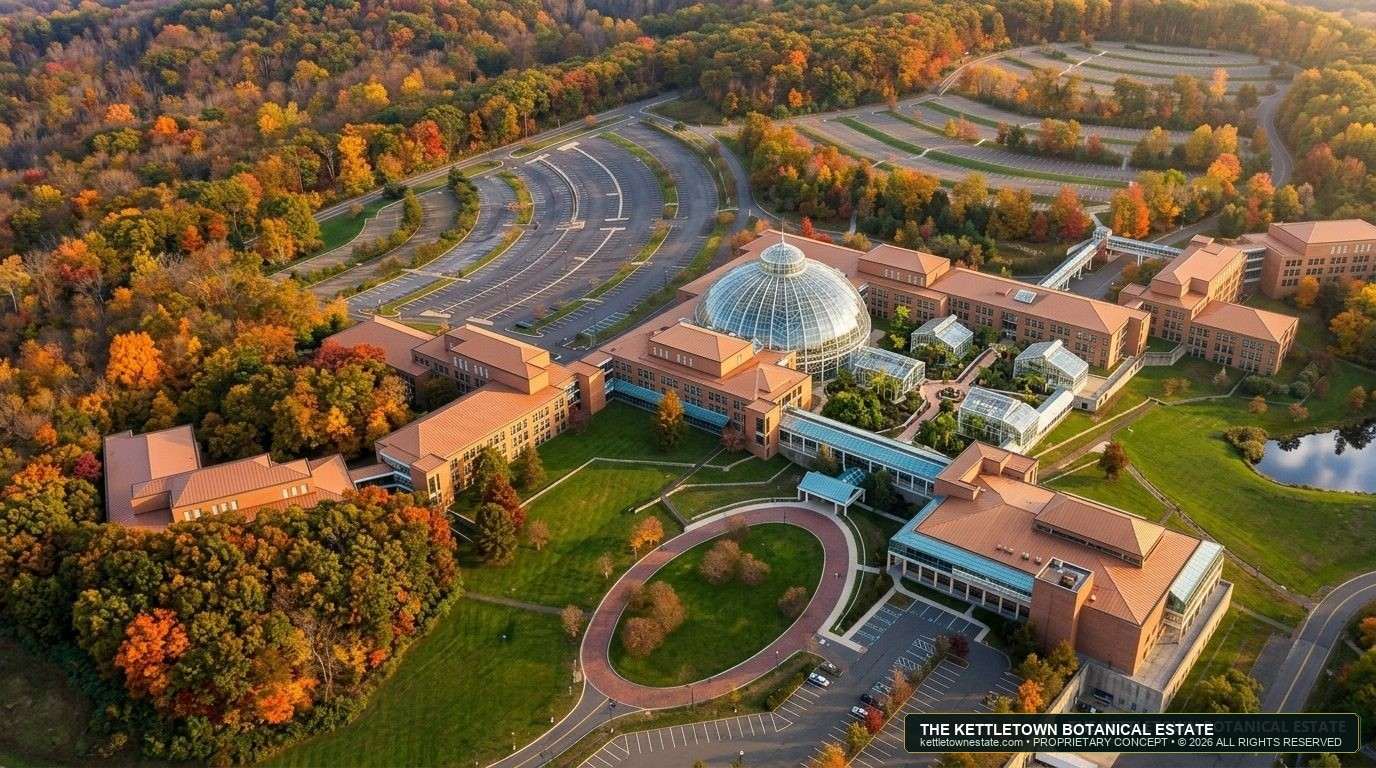
Preserve Forest Canopies, Reuse Built Assets
Southbury's rural heritage relies on contiguous forest canopies, vernal pools, and watershed corridors. Directing regional economic vitality into the already disturbed 228-acre IBM campus footprint achieves major municipal tax restoration while leaving Southbury's pristine natural woodlands completely undisturbed.
Undeveloped Greenfield Land vs. Exit 15 Built Campus
| Civic Criterion | Undeveloped Greenfield Parcel (Exits 13/14) | Kettletown Estate (Exit 15 Built) |
|---|---|---|
| Current Grand List Tax Revenue | $0 / year (Undeveloped municipal open space / no commercial grand list contribution) | +$678,000/yr Net New (Recovers ~74% of historical $912k IBM deficit) |
| Civil & Utility Infrastructure | Requires substantial capital investment: new road access, utility extensions, water mains, and site grading. | Fully built: 15–30 MW dual power infrastructure (subject to utility verification), municipal sewer, optical fiber, 1,150 stalls. |
| Environmental Impact | Extensive clearing of mature woodland canopy, vernal pools, and natural terrain. | Depaves 8.72 acres of existing asphalt; zero trees cut; adds botanical arboretum. |
| Highway & Neighborhood Traffic | Access requires traversing local secondary corridors and intersection modifications. | Direct arterial access from I-84 Exit 15 via dedicated Kettletown Road lanes. Bypasses Main St. |
| Commercial Market Viability | Challenging regional market for standalone greenfield commercial construction without existing utilities. | De-risked 6-anchor experiential flywheel (hotel, biomes, dining, tech, paddock). |
Sound planning and regional conservation policies dictate prioritizing adaptive reuse of existing commercial campuses before considering greenfield forest clearing. 150 Kettletown Road provides immediate grand list restoration utilizing private investment with zero municipal capital debt.
Share Your Perspective on Town Land Use
We welcome insights from Southbury residents, board members, and business owners regarding municipal economic development and smart growth priorities.